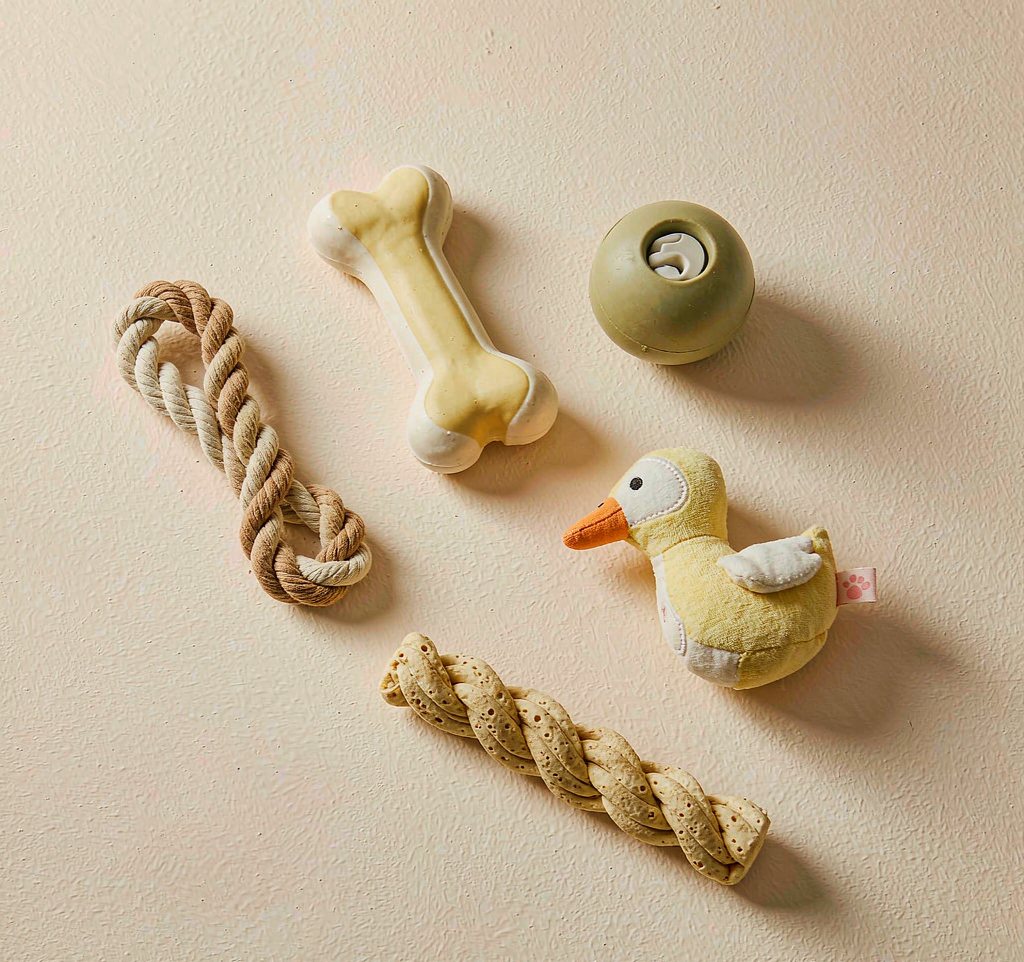
Pet toys are not children’s toys, but many retailers treat them that way — and increasingly, EU market surveillance does too. Understanding which standards apply keeps shipments moving.
EN 71 in the EU
EN 71 applies to toys “designed or intended for play by children under 14”. A pet toy is not legally a toy under the Toy Safety Directive, but retailers routinely require EN 71 evidence because the same product may be bought for a child, or because their own compliance team applies a stricter internal rule.
In practice, the parts that matter:
- EN 71-1 — mechanical and physical properties: no sharp edges, no small parts that detach under tension
- EN 71-2 — flammability of plush and fabric components
- EN 71-3 — migration of 19 heavy elements from coatings, dyes and rubber
CPSIA in the United States
CPSIA applies to children’s products, and again pet toys fall outside the definition. However, the CPSIA third-party testing framework is the benchmark US retailers use for pet products, particularly for:
- Total lead content — 100 ppm in accessible substrates
- Phthalates — 8 restricted phthalates in plasticised components
- Sharp point and small parts testing (16 CFR 1500)
What we test by default
| Material | EU | US |
|---|---|---|
| TPR / rubber | EN 71-3, REACH SVHC, PAHs | CPSIA lead, phthalates |
| Plush / fabric | EN 71-1, EN 71-2, azo dyes | CPSIA lead, flammability |
| Ceramic / glaze | LFGB, EN 71-3 | FDA 21 CFR 175.300 |
| Stainless steel | LFGB, food contact | FDA food contact |
Documentation to ask for
Ask for reports that name the exact material and colour used in your product, are less than 12 months old, and come from a lab accredited to ISO/IEC 17025. Reports that name a different colour batch are the single most common gap we see at pre-shipment.
A practical rule
If a product will sit on a shelf next to children’s products, test it to children’s product standards. It costs a few hundred euros per material and removes the most expensive kind of retail dispute.