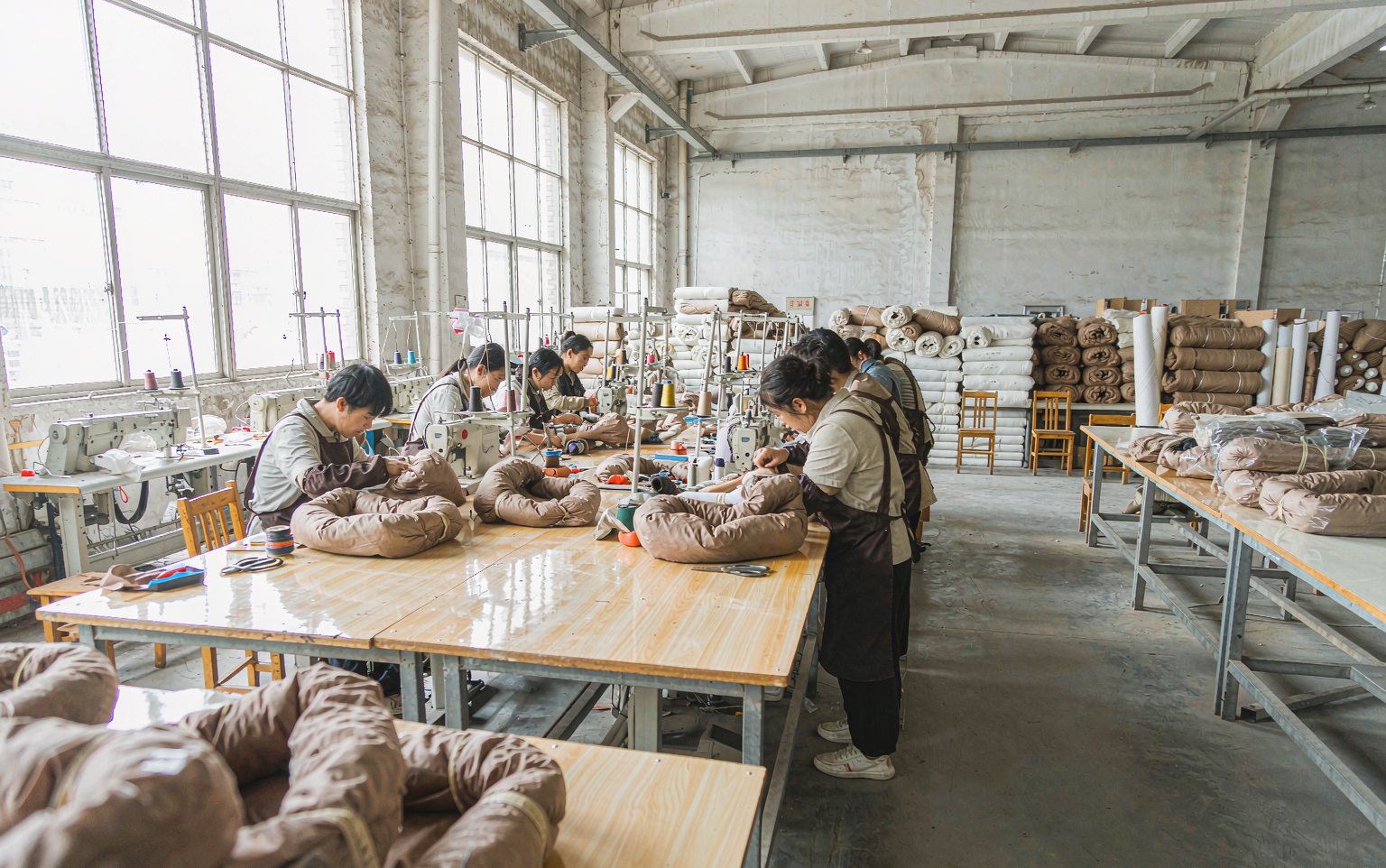
Most first-time buyers underestimate the middle of the process. The brief is easy and the container is easy; the 45 days between them is where programmes succeed or slip. Here is how the work actually sequences.
Days 1–5: brief and feasibility
We need five things to quote properly: target price, target quantity per size, material preference, packaging format and market (because compliance follows market). Without a target price we can design something beautiful that will never make it to shelf.
Days 6–12: sampling
Two samples usually run in parallel — one in stock materials for speed, one in the specified material for accuracy. Buyers approve on the second sample. Expect 7–10 days for a sewn product, 12–15 days if a new mould is involved.
Days 13–20: tooling and artwork
New moulds for rubber or plastic parts take 18–22 days, so we start tooling in parallel with sample approval rather than afterwards. Artwork goes through a pre-press check for dieline accuracy, barcode placement and market-specific labelling rules.
Days 21–30: pilot run
We run 5 % of the order quantity as a pilot. It surfaces the problems that samples hide: fabric shrinkage across a full roll, colour drift between dye lots, and packaging line speed. The pilot is also when the QC checklist is frozen.
Days 31–40: bulk production with QC gates
Three gates, each with a signed report:
- Incoming materials — fabric weight, colour fastness, hardware load rating
- In-line at 30 % — seam strength, dimensions, hardware assembly
- Pre-shipment AQL 2.5 — full inspection against the frozen checklist
Days 41–45: documentation and loading
Test reports, packing lists, and where required, a third-party inspection. Containers load at Ningbo or Shanghai, with a loading photo set sent the same day.
Where programmes usually slip
In our experience, delay rarely comes from production. It comes from late artwork approval, a compliance requirement discovered after tooling, or a colour standard agreed verbally rather than in Pantone numbers.